|
Return Create A Forum - Home |
 |
--------------------------------------------------------- |
|
Ravens Wing |
 |
https://ravenswing.createaforum.com |
|
--------------------------------------------------------- |
|
***************************************************** |
|
Return to: Fan Clans !? |
|
***************************************************** |
|
#Post#: 53171-------------------------------------------------- |
|
BARNCLAN ( sign up ) |
|
By: dawnfire111 Date: December 8, 2014, 10:21 pm |
|
--------------------------------------------------------- |
|
[center] |
|
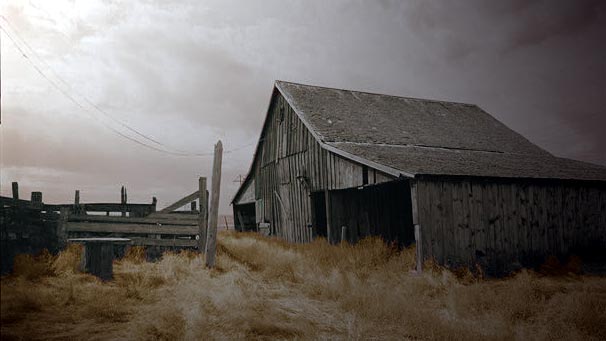
http://www.wyomingtalesandtrails.com/gilldunlapranch.jpg |
|
BARNCLAN |
|
"strength is in differences, not just similarities"[/center] |
|
[size=8pt][size=18pt]ABOUT |
|
BarnClan is a close-knit Clan of animals, not just felines. They |
|
live, eat, sleep, hunt, gather, and fight together like any |
|
other Clan, but a majority of the group are different species. |
|
Family and loyalty is a big part of their lives, even despite |
|
some of the incidents of the past and more to come in the |
|
future. |
|
HISTORY |
|
Some time ago, BarnClan was founded by a young dog and a lonely |
|
horse, both looking for their places in the world. The she-dog |
|
lived on the streets, barely holding onto her life as she |
|
struggled to find food and fight off other dangerous strays. Her |
|
name was Ginger. The stallion lived by himself on an abandoned |
|
farm in despair of never finding anyone else to talk to. His |
|
name was Mac. |
|
Ginger went through unimaginable torture during her life in the |
|
city. After being left in a sopping wet cardboard box with her |
|
siblings, they almost died of starvation. Life was somewhat |
|
easier then, however, so they lived together long enough to go |
|
off on their own. Ginger wanted to stay with her brothers so |
|
badly, but they wanted nothing to do with her, even after all |
|
they had been through. She was weaker and smaller, so to them |
|
she was just another mouth to feed. Ginger found nothing for her |
|
in the city except depression and failure, so finally, she left. |
|
She went in any direction that was away from her old life. After |
|
about a year of living on her own in the wild, which was |
|
surprisingly easier that living on the streets, she found a |
|
field. It was calm as it blew a heavy breeze against her matted |
|
brown fur. She continued on and discovered an old barn. Could |
|
this be her new home? Had all her suffering come to an end? |
|
Ginger stepped inside and was surprised to find someone still |
|
living there. It was Mac. |
|
They talked and quickly connected. Ginger told her story, and |
|
Mac returned the favor. He said he had been living there ever |
|
since the twolegs had taken him from torture as well as comfort |
|
and dropped him off there. Mac was born in a very good center |
|
for training horses. Both his father and mother were champions |
|
in classic competitions, so he was treated like a prince and |
|
raised there until he was about a two years old. That was when |
|
everything went downhill. Someone took over the stables and then |
|
left it to the greedy vultures. Cruel twolegs came in and stole |
|
horses away, including Mac, and took them to an illegal horse |
|
stable. They were treated very badly and were made to do |
|
horrible things, scarring poor Mac forever. When he was about 3 |
|
years old, someone bought him and took him to a stable. Once |
|
again, he was abandoned, but this time he was all alone. He |
|
lived by himself for 3 more years, until Ginger found him just |
|
then. |
|
So there you have it. But how did the Clan even start? Well, |
|
Ginger had heard about the cat clans during her year of living |
|
in the forests and fields. She really liked the idea of living |
|
with many other dogs, cats, horses, and other animals like |
|
herself, yet different. She convinced Mac and the two best |
|
friends started a Clan together. |
|
Ginger fell in love with a chocolate lab who was one of the |
|
first to join BarnClan, and they had a small litter of chocolate |
|
lab and pitbull puppies. Mac, having had a crush on her for a |
|
while, was jealous, but tried to be happy for her. He poured his |
|
heart and soul into the puppies' lives, probably even more than |
|
the parents themselves did. Sadly, Mac passed away way earlier |
|
than anyone wanted due to his past injuries. He was so loved in |
|
the Clan, he and Ginger were the whole reasons BarnClan treated |
|
each other like family. Ginger and her mate died later as well, |
|
having both been from the infectious city streets. Ginger's pups |
|
grew up to take over the Clan for their parents. |
|
TERRITORY |
|
If it wasn't obvious enough, BarnClan lives in a barn surrounded |
|
by a a very large grazing field filled with prey and lush |
|
grasses. There are fences in front where animals were kept, but |
|
now it's for hanging out/ meetings, battle training, eating, so |
|
it's basically their living space. The Clan sleeps inside the |
|
barn, unless they prefer to rest in the soft patches outside. |
|
There is also a forest a little ways away, but most enjoy the |
|
open skies of the plain. |
|
RANKS |
|
Headgroom; leads the clan |
|
Cassie, played by dawnfire |
|
Assistant Groom; next leader, helps lead the clan |
|
Cyrus, played by stormy |
|
Doctor; medic |
|
Ethelina, played by kitty |
|
Assistant Doctor; next doctor, assistant/in-training |
|
Artemis, played by Jstar |
|
Groom; normal rank, some protect, hunt, gather, or multiple |
|
depending on their diet and species |
|
Befry, played by raven |
|
Dyllan, played by dawnfire |
|
Isaiah, played by stormy |
|
Norah, played by kitty |
|
Groom Apprentice; members in-training |
|
always open |
|
Young; offspring too young to train |
|
always open |
|
NOTE; I know the names are sort of silly sounding, but I though |
|
'groom' would fit since it's an old stable barn thing. For |
|
grooms, the normal rank, they can also be called members, or |
|
even protectors/guards, hunters, or gatherers if that's their |
|
'profession'. |
|
FORM |
|
YES, all species are allowed [s]no fish sorry shrug[/s], but |
|
i'll be honest and say i prefer mammals. [s]except for like, |
|
chickens or hawks, because, um, duh. they're awesome. and ducks. |
|
yass[/s][/size] |
|
[code]Name; |
|
Gender; |
|
Species; |
|
Rank; |
|
Appearance; |
|
Personality; |
|
Relations; |
|
History; (optional) |
|
Other;[/code] |
|
RP - |
|
http://ravenswing.createaforum.com/fan-clans-!/barnclan-(-rp-)/ |
|
#Post#: 53172-------------------------------------------------- |
|
Re: BARNCLAN ( sign up ) |
|
By: dawnfire111 Date: December 8, 2014, 10:22 pm |
|
--------------------------------------------------------- |
|
sorry i know the history is long |
|
and i got tired when i was finishing this so strikes were |
|
necessary |
|
Name; Cassie |
|
Gender; Female |
|
Species; Dog, chocolate lab/pitbull mix |
|
Rank; Headgroom |
|
Appearance; Here |
|
http://cdn-www.dailypuppy.com/media/dogs/anonymous/molly_labrador_pit_bull_09.j… |
|
/>Cassie is a chocolate/chestnut colored lab/pitbull mix with |
|
amber eyes. |
|
Personality; Bold; trusting and a little naive; loyal; will |
|
develop |
|
Relations; two chocolate lab/pitbull mix siblings around two |
|
years old (feel free to apply for one!) |
|
History; Born and raised in BarnClan. Chosen as leader blah blah |
|
blahb |
|
Other; I'LL MAKE MORE LATER KAY |
|
#Post#: 53174-------------------------------------------------- |
|
Re: BARNCLAN ( sign up ) |
|
By: black rose Date: December 9, 2014, 7:18 am |
|
--------------------------------------------------------- |
|
TRACK |
|
#Post#: 53176-------------------------------------------------- |
|
Re: BARNCLAN ( sign up ) |
|
By: dawnfire111 Date: December 9, 2014, 9:09 am |
|
--------------------------------------------------------- |
|
[s]I KNEW YOU'D POST FIRST[/s] |
|
WOO |
|
BUMP |
|
#Post#: 53202-------------------------------------------------- |
|
Re: BARNCLAN ( sign up ) |
|
By: Raven` Date: December 9, 2014, 3:36 pm |
|
--------------------------------------------------------- |
|
/tumbles in with a large track sign |
|
Omg dawny bb the history is perf ouo/ |
|
#Post#: 53204-------------------------------------------------- |
|
Re: BARNCLAN ( sign up ) |
|
By: black rose Date: December 9, 2014, 3:40 pm |
|
--------------------------------------------------------- |
|
ooh, this made me think of soemthing |
|
so i'm going into hish school next year |
|
the school i want to get into has a voag program, with two |
|
horses as a part of the large animal science part of it |
|
we got to see them on the tour, and they're amazing and |
|
beautiful and rjndsgoiuajgiopa |
|
anyways, i'll make a form soon |
|
#Post#: 53215-------------------------------------------------- |
|
Re: BARNCLAN ( sign up ) |
|
By: dawnfire111 Date: December 9, 2014, 4:18 pm |
|
--------------------------------------------------------- |
|
thanks gurl~ :'D |
|
omg the school has horses |
|
what |
|
i wanna go to school ;w; [s]not really bc i love doing school in |
|
my pjs hehe<3[/s] |
|
what is voag? o3o |
|
Name; Dyllan |
|
Gender; Male |
|
Species; Cougar |
|
Rank; Groom |
|
Appearance; Average mountain lion |
|
Personality; Dyllan is normally quiet and anti-social, often |
|
avoiding interaction, or at least eye contact. When he does warm |
|
up to you, he is extremely loyal and a great listener, but he's |
|
also sensitive and takes things seriously. He doesn't let his |
|
emotions show right away, however, they have to come out |
|
eventually. |
|
Relations; -- |
|
History; Dyllan was born outside the of the pack, somewhere by a |
|
cliffside. His mother was distant and verbally abusive towards |
|
him, constantly reminding him how much she regretted him being |
|
born. He grew up being timid and obedient, but as he got into |
|
his older cub years, he developed a rebellious streak in him and |
|
ran away. He only planned to leave for a night or two, just to |
|
prove he wasn't as worthless as she thought he was, and so she |
|
would actually like him for once. When he came back, she totally |
|
rejected him for disobeying and refused to care for him anymore. |
|
Dyllan had barely learned to hunt yet, but eventually taught |
|
himself after almost starving a couple of times. It was hard, |
|
and he regrets ever leaving his mother. When he was about the |
|
age of a young adult, he found BarnClan and has been living |
|
there since. |
|
Other; done |
|
#Post#: 53219-------------------------------------------------- |
|
Re: BARNCLAN ( sign up ) |
|
By: black rose Date: December 9, 2014, 4:24 pm |
|
--------------------------------------------------------- |
|
it's short for vocational agriculture |
|
[spoiler]Agricultural Education is the teaching of agriculture, |
|
natural resources, and land management through hands on |
|
experience and guidance to prepare students for entry level jobs |
|
of to further education to prepare them for advanced |
|
agricultural jobs. Classes that may be taught in an agricultural |
|
education curriculum include horticulture, land management, turf |
|
grass management, agricultural science, small animal care, |
|
machine and shop classes, health and nutrition, livestock |
|
management, biology courses, etc. Agricultural education can be |
|
taught at the elementary level, middle school level, secondary, |
|
post secondary and adult levels.[1] Elementary agriculture is |
|
taught in public schools and private schools, and deals with |
|
such subjects as how plants and animals grow and how soil is |
|
farmed and conserved. Vocational agriculture trains people for |
|
jobs in such areas as production, marketing, and conservation. |
|
College agriculture involves training of people to teach, |
|
conduct research, or provide information to advance the field of |
|
agriculture and food science in other ways. General education |
|
agriculture informs the public about food and agriculture. |
|
In the United States |
|
The chief sources of agriculture education in the United States |
|
are: |
|
High Schools |
|
Community Colleges |
|
Universities and colleges |
|
Youth organization |
|
10x15 |
|
High schools |
|
Agricultural education at the high school level focuses on three |
|
main categories: classroom instruction, supervised agricultural |
|
experience (SAE), and active involvement in the National FFA |
|
Organization (Future Farmers of America). |
|
Classroom Instruction- classroom instruction of an |
|
agricultural class teaches the students the basic concepts of |
|
the particular course through hands on learning and experience. |
|
Students will be taught the information in the curriculum in |
|
order for them to understand and develop skills in the |
|
application and problem solving issues that would occur in an |
|
agricultural setting. Another requirement for agricultural |
|
education at the high school level is the Young Farmers |
|
association group, but this is a requirement for the teacher, |
|
not the students.[2] |
|
Supervised Agricultural Experience- The supervised |
|
Agricultural Experience (SAE) portion of the agricultural |
|
curriculum is when a student must use the knowledge they have |
|
gained in the classroom instruction and use it in real life |
|
situations. Several topic choices are available for the student |
|
to choose between, whether it is on a farm setting, exploratory |
|
setting, entrepreneurship, agribusiness, or research projects. |
|
The student will choose a task from one of these topic areas and |
|
conduct a research experiment throughout the course of the |
|
agricultural class. The teacher is involved in the process and |
|
will help guide the student along the way. SAE programs give |
|
students the opportunity to take the information learned in the |
|
classroom setting and use it on an agricultural topic that |
|
interests them. This portion of an agricultural education will |
|
give students an idea of how it is working out in the real world |
|
and solving problems that will arise in the work field.[3] |
|
National FFA Organization- The FFA is a national |
|
organization that all agricultural classes at the high school |
|
level are involved in. The agricultural teacher is the leader of |
|
that particular schools FFA chapter, and will guide students� |
|
activities and programs held throughout the year. FFA is an |
|
educational program designed to teach students leadership skills |
|
in both agricultural settings and everyday life, encourages |
|
personal growth in students, boosts self-confidence, builds |
|
character, encourage healthy lifestyles, and give students |
|
opportunities to be a part of the agricultural economy. FFA |
|
chapters will volunteer in communities, conduct banquets for FFA |
|
members and their families, raise awareness of agriculture, |
|
compete in FFA competitions, and attend national FFA |
|
conventions.[4] |
|
Young Farmers Association- Young Farmers Association is a |
|
requirement that any agricultural teacher must meet. This is a |
|
group led by the agricultural teacher that meets usually |
|
monthly. The group will consist of all the local farmers, |
|
citizens, or anyone interested in learning more about |
|
agriculture and the new methods that are being created. The |
|
Young Farmers Association is designed so that the technologies |
|
made in the agricultural field will be introduced and used in |
|
the economy. It also gives the agricultural teachers the |
|
opportunity to meet the local citizens and reach out in the |
|
community. |
|
Colleges and universities |
|
College of Agriculture at the University of Florida |
|
Agricultural education is taught on the college level as well. |
|
Degrees in agricultural education can be used to teach |
|
agriculture or obtain a job in an agricultural related work |
|
field. This degree can give students the qualifications and |
|
knowledge necessary to teach agricultural classes such as the |
|
courses offered at the high school level. Students will be |
|
required to complete agriculture classes as well as education |
|
classes in order to become qualified to teach. A bachelor�s |
|
degree in agricultural education will qualify a person to teach |
|
classes all the way up to the high school level. A Masters |
|
degree is required in order to teach on the college level. An |
|
agricultural education degree also gives the qualifications to |
|
do extension work for universities and agriculture related |
|
companies and organizations.[5] Colleges and universities award |
|
about 21,000 bachelor's degrees in agriculture each year (1988). |
|
About 6,000 other students receive a master's or doctor's degree |
|
(1988). |
|
Land-grant universities |
|
See also: List of land-grant universities |
|
Land-grant universities award more than three-quarters of all |
|
agricultural degrees (1988). These state schools receive federal |
|
aid under legislation that followed the Morrill Act of 1862, |
|
which granted public lands to support agricultural or mechanical |
|
education. Land-grant universities have three chief functions: |
|
Teaching |
|
Research |
|
Extension/Outreach |
|
Teaching |
|
Colleges of agriculture prepare students for careers in all |
|
aspects of the food and agricultural system. Some career choices |
|
include food science, veterinary science, farming, ranching, |
|
teaching, marketing, agricultural communication, management, and |
|
social services. |
|
The Association for Career and Technical Education (ACTE), the |
|
largest national education association dedicated to the |
|
advancement of education that prepares youth and adults for |
|
careers, provides resources for agricultural education. |
|
Research |
|
Each land-grant university has an agricultural experiment |
|
station equipped with laboratories and experimental farms. |
|
There, agricultural scientists work to develop better farming |
|
methods, solve the special problems of local farmers, and |
|
provide new technology. Research published in scholarly journals |
|
about agricultural safety is available from the NIOSH-supported |
|
National Agricultural Safety Database. The American Dairy |
|
Science Association provides research and education scholarships |
|
focused on the dairy farm and processing industries. |
|
Journal of Agricultural Education |
|
Journal of Extension |
|
Journal of International Agricultural and Extension |
|
Education |
|
Journal of Agricultural Education and Extension |
|
Journal of Leadership Education |
|
Journal of Applied Communication |
|
Journal of Career & Technical Education |
|
Career & Technical Education Research |
|
North American Colleges and Teachers of Agriculture Journal |
|
Extension service |
|
The Cooperative Extension System is a partnership of the |
|
federal, state, and county governments. This service distributes |
|
information gathered by the land-grant universities and the U.S. |
|
Department of Agriculture to farmers, families, and young |
|
people. County extension agents, located in most countries |
|
(1988), train and support about 3 million (1988) volunteer |
|
leaders. Agents and volunteers carry out extension programs |
|
through meetings, workshops, newsletters, radio, television, and |
|
visits. |
|
Youth organizations |
|
Youth organizations involved in agricultural education include |
|
4-H and National FFA Organization (FFA). |
|
4H Club- 4H Club is considered a youth development program |
|
that teaches children about sciences, leadership, research, etc. |
|
4H club has over 6 million members nationwide and is the largest |
|
youth development organization in the United States. 4H members |
|
use hands on learning to reach goals and help in communities.[6] |
|
Members of 4-H carry out group and individual projects dealing |
|
with conservation, food and agriculture, health and safety, and |
|
other subjects. The 4-H program in the United States is part of |
|
the Cooperative Extension service. |
|
National FFA Organization- The FFA is a national |
|
organization that teaches students leadership skills and is |
|
designed to help members become more well rounded citizens in |
|
the agricultural field.[5] The FFA is an integral part of the |
|
program of agricultural education in many high schools as a |
|
result of Public Law 740 in 1950 (Currently revised as |
|
Publication 105-225 of the 105th Congress of the United States), |
|
with 500,823 FFA members (2007�2008). Local chapters participate |
|
in Career Development Events (individually and as a team), each |
|
student has a Supervised Agricultural Experience program (SAE), |
|
and participates in many conferences and conventions to develop |
|
leadership, citizenship, patriotism and excellence in |
|
agriculture. The National FFA Organization is structured from |
|
the local chapter up, including local districts, areas, regions, |
|
state associations, and the national level. The FFA Mission is |
|
to make a positive difference in the lives of students by |
|
developing their potential for premier leadership, personal |
|
growth, and career success through agricultural education. |
|
History |
|
The rapid growth of agricultural education began during the late |
|
19th century. In 1862, the United States Congress created the |
|
Department of Agriculture to gather and distribute agricultural |
|
information. The Morrill Act, which provided the land-grant |
|
schools, became law that same year. The Hatch Act of 1887 gave |
|
federal funds to establish agricultural experiment stations. The |
|
first dairy school in the U.S. was created at the University of |
|
Wisconsin�Madison in 1890.[7] |
|
Government support for agricultural education has increased |
|
during the 20th century. For example, the Smith-Lever Act of |
|
1914 created what is now the Cooperative Extension System |
|
(1988). The Smith-Hughes Act of 1917 and the George-Barden Act |
|
of 1946 financed high-school instruction in farming. Woodlawn |
|
High School (Woodlawn, Virginia) was the first public high |
|
school in the United States to offer agricultural education |
|
classes under the Smith-Hughes Act.[8] The Vocational Education |
|
Act of 1963 funded training in other fields of agriculture. |
|
Agricultural science and education expanded after 1900 in |
|
response to a need for more technical knowledge and skill. This |
|
development led to the use of modern farming methods that |
|
required fewer farmworkers. Another major result of this change |
|
was the creation of larger farms and ranches. This development |
|
increased the need for more agriculture science and education. |
|
Other legislation influenced the development of agricultural |
|
education into what the field is today. It has developed |
|
throughout the last century from various laws and pieces of |
|
legislation. Some of the laws include: |
|
Education for All Handicapped Children Act of 1975- this |
|
law required all public schools to provide a free and |
|
appropriate education to all students with disabilities. |
|
Children with disabilities were allowed to enroll in |
|
agricultural classes. |
|
Americans with Disabilities Act of 1986- This law |
|
required public schools to give students with disabilities equal |
|
opportunities as all the other students. It required teachers to |
|
let students with disabilities participate in more agricultural |
|
based classes. |
|
Educate America Act of 1994- This raised the standards |
|
for public education and the goals that school districts had for |
|
their students. The curriculum and development requirements |
|
became stricter for all classes, including agricultural classes. |
|
School-to-Work Opportunities Act of 1994- This law |
|
required teachers to teach students tasks and disciplines that |
|
would help their students prepare for employment once they |
|
graduated. Teaching real life applications in agriculture was a |
|
major part of this law because of the need for employment in the |
|
agricultural field. |
|
No Child Left Behind (Elementary and Secondary Education |
|
Act of 2001) - Raised the standards for students in public |
|
schools and the requirements of the teachers. This law helped |
|
provide financial support for public schools in low income |
|
areas. [3] |
|
In other countries |
|
Hurlstone Agricultural High School in Australia maintains a |
|
dairy with 42 head of cattle. |
|
The history of agricultural education predates USA activities |
|
and derives from, the development of Scottish, Italian and |
|
German colleges. The land grant approach of the USA owes much to |
|
the Scottish system in particular. Changes in higher |
|
agricultural education around the world today are highlighting |
|
implicit approaches that have hampered development and |
|
exceptional advances that have fed the world. the process has |
|
been described in one text (below) which takes a global |
|
perspective. |
|
Agricultural education in other countries resembles that in the |
|
United States. Canada has its own 4-H program. Agriculture |
|
Canada distributes information on new farming methods and |
|
maintains experimental farms, research stations, and research |
|
institutions throughout the country. BC Agriculture in the |
|
Classroom Foundation operates in the province of British |
|
Columbia. In Australia, each state has several agricultural |
|
research stations and an extension service. Great Britain has a |
|
program of youth clubs called Young Farmer's Clubs that resemble |
|
4-H. The Food and Agriculture Organisation of the United Nations |
|
works to train people throughout the world in modern farming |
|
methods. The United States gives technical assistance to farmers |
|
in developing nations through its Agency for International |
|
Development (AID). |
|
10x15 |
|
[clarification needed] "By 2015 there will be in operation |
|
10,000 quality agricultural science education programs serving |
|
students through an integrated model of classroom/laboratory |
|
instruction, experiential learning, and leadership and personal |
|
skill development. Further, all students will be members of the |
|
FFA and have a supervised agricultural experience that supports |
|
classroom and laboratory instruction.' -Team Ag Ed |
|
The Case for Growth and Quality in Agricultural Education |
|
Of the critical issues facing the nation, few are more |
|
compelling than improving the academic performance of public |
|
schools and ensuring a stable, safe and affordable food supply. |
|
Today agricultural education is positioned to contribute |
|
substantially in these arenas through a major national |
|
initiative. Under the direction of The National Council for |
|
Agricultural Education, the �10x15 Long Range Goal for |
|
Agricultural Education� employs a comprehensive strategy |
|
engaging eight high-priority initiatives. The focus of the |
|
unprecedented effort is twofold: create new programs in |
|
communities not yet served by agricultural education and FFA, |
|
and ensure the quality and high performance of current programs |
|
providing personal, academic and career education in |
|
agriculture. While the goal of �10x15� is to grow the number of |
|
agricultural education programs from 7,200 to 10,000 by the year |
|
2015, the clear emphasis is on quality. |
|
Several factors make this effort timely and essential. First, |
|
the public�s expectations for higher student achievement are |
|
leading to dramatic increases in accountability, standards, |
|
rigor and relevance throughout education. Especially critical is |
|
the need to raise math and science proficiency. Second, the |
|
industry of agriculture, already concerned about meeting growing |
|
domestic and global demands for food and fiber, is eager to |
|
identify the future managers, leaders and workers who will |
|
ensure the future security and productivity of agriculture. A |
|
forecasted shortage of well-educated workers is adding urgency |
|
to the issue. Also, concerns about food safety, security and |
|
independence are registering at the highest levels of |
|
agribusiness and government. Lastly, local communities are |
|
intent on cultivating leadership and securing effective |
|
participation from their citizens. Through the intra-curricular |
|
programs of agricultural education and the FFA, a half-million |
|
students are developing skills in leadership, communication, |
|
team building and civic engagement. They will be prepared to |
|
provide for the social, economic and cultural well-being of |
|
small communities and large urban centers alike. |
|
The work of �10x15� is concentrated in eight national taskforces |
|
operating over the next several years. Their scope of work |
|
includes national program and content standards; teacher |
|
recruitment and preparation; alternative program design; data |
|
reporting; public advocacy; brand communication strategy; and |
|
program funding. Driving the work of �10x15� are more than a |
|
hundred top leaders drawn from today�s Team Ag Ed, including |
|
teachers, students, university educators, state education |
|
leaders, the National FFA Organization, alumni, business and |
|
industry, and key stakeholders[/spoiler] |
|
boom |
|
the first paragraph is the only really important one |
|
oh, they also have two goats, some chickens, and a llama |
|
and don;t forget the birds, ferrets, snake, lizards, rabbits... |
|
so yeah |
|
it's awesome |
|
still need muse for my form :/ |
|
promise i'll do it soon |
|
#Post#: 53221-------------------------------------------------- |
|
Re: BARNCLAN ( sign up ) |
|
By: Raven` Date: December 9, 2014, 4:26 pm |
|
--------------------------------------------------------- |
|
Name; Befry |
|
Gender; Male |
|
Species; Deer |
|
Rank; Groom |
|
Appearance; He looks like a normal white-tailed deer. |
|
Personality; Many deer are portrayed as weak and frail; lets |
|
just say Befry is the opposite of those interpretations. |
|
Relations; None. |
|
History; His family was killed by poachers. *^* |
|
Other; Meh. |
|
#Post#: 53232-------------------------------------------------- |
|
Re: BARNCLAN ( sign up ) |
|
By: dawnfire111 Date: December 9, 2014, 5:41 pm |
|
--------------------------------------------------------- |
|
yeah, the first paragraph was all i read xD |
|
ohh my gosh that's so awesome i can't asdfgjalkgjdslkhjdl |
|
i had no idea that was actually a thing you could do in |
|
highschool |
|
pet lots of animals for me k ;w; |
|
AND accepted, obviously |
|
***************************************************** |
|
Next Page |